Why Personalization Is Crucial in Dubai’s Digital Marketing Landscape
In the fast-moving and highly competitive market of Dubai, digital marketing is no longer about visibility alone — it’s about relevance. With a tech-savvy population, high smartphone penetration, and one of the most culturally diverse audiences in the world, businesses must move beyond generic messaging to stand out.
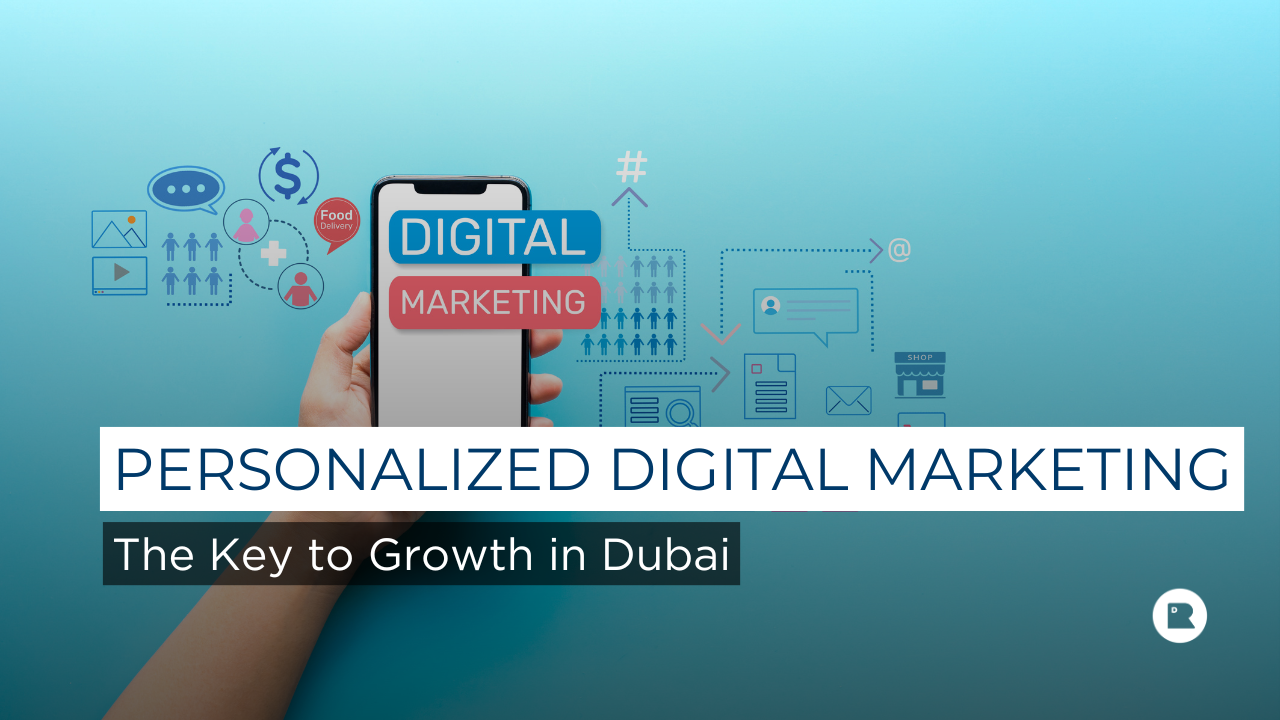
Personalization has become a defining factor in digital success. By tailoring content, advertising, and digital experiences to individual preferences, brands can build stronger connections, improve customer retention, and drive measurable business growth. This is no longer a “nice to have” — it’s a strategic necessity.
Understanding Dubai’s Unique Digital Market
Dubai is a true global hub, home to residents and visitors from hundreds of nationalities. This diversity creates a complex audience with different languages, cultural expectations, buying behaviours, and digital habits.
Personalization allows businesses to navigate this complexity by delivering relevant content to clearly defined audience segments. Instead of broadcasting one message to everyone, brands can speak directly to the needs, values, and intent of each group.
At the same time, Dubai’s consumers expect premium digital experiences. With constant access to mobile devices and online platforms, customers interact with brands frequently — and they expect those interactions to feel intuitive, fast, and tailored. Personalization ensures every touchpoint feels considered rather than generic.
How Personalization Enhances Customer Engagement
Generic marketing no longer captures attention. Personalized experiences do.
When brands use data to tailor their messaging, customers feel understood and valued. For example, a fashion retailer can recommend products based on previous purchases, browsing behaviour, or even seasonal conditions. This relevance increases engagement and keeps users interacting longer.
Interactive formats such as quizzes, surveys, and preference selectors also play an important role. They allow brands to collect first-party data while simultaneously delivering value to the user. The result is a more engaging experience that feels collaborative rather than transactional.
Boosting Conversion Rates Through Relevance
Personalization directly impacts performance.
When users receive offers, recommendations, or messages that align with their interests and intent, conversion rates increase significantly. This applies across channels — from websites and e-commerce platforms to email marketing and paid advertising.
Targeted email campaigns consistently outperform generic broadcasts. Personalized subject lines, offers based on behaviour, and timing optimized to user activity lead to higher open and click-through rates. In sectors such as hospitality, retail, and e-commerce, this often translates directly into increased bookings or sales.
Building Brand Loyalty in a Competitive Market
Dubai is a market where choice is abundant. Loyalty must be earned.
Personalization plays a critical role in building trust and long-term relationships. When customers see that a brand remembers their preferences, anticipates their needs, and communicates thoughtfully, loyalty follows naturally.
Tailored loyalty programs, personalized rewards, and exclusive experiences based on customer behaviour reinforce this relationship. In a market with a strong luxury segment, these personalized touches create a sense of exclusivity that resonates deeply with high-value audiences.
Leveraging Technology to Power Personalization
Dubai’s focus on innovation creates ideal conditions for advanced personalization strategies.
Artificial Intelligence (AI) and Machine Learning (ML) enable brands to process large volumes of data and deliver personalized experiences in real time. These technologies allow businesses to:
-
Analyse behaviour patterns
-
Predict customer needs
-
Deliver recommendations instantly
-
Optimize content and messaging dynamically
AI-powered chat solutions can provide personalized assistance around the clock, while predictive analytics helps brands proactively guide users toward relevant products or services. When implemented correctly, technology enhances — rather than replaces — the human experience.
Challenges of Personalization — and How to Address Them
Despite its advantages, personalization comes with responsibility.
Data Privacy and Compliance
Businesses must ensure compliance with local and international data protection regulations, including the UAE’s Personal Data Protection Law. Transparency, secure data handling, and clear opt-in consent are essential to maintaining trust.
Cross-Channel Consistency
Customers interact with brands across websites, apps, social media, and email. Personalization must be consistent across all touchpoints to avoid fragmented experiences. A unified data and strategy framework ensures continuity and clarity.
Cultural Sensitivity: A Critical Success Factor
Personalization in Dubai must always account for cultural context.
Marketing messages should respect religious, cultural, and social norms. Campaigns during periods such as Ramadan, for example, should reflect values of community, generosity, and reflection rather than overt sales messaging.
Multilingual content is equally important. Providing experiences in Arabic, English, and other widely spoken languages enhances accessibility and strengthens emotional connection with diverse audience segments.
Personalization and the Customer Experience
Personalization is not only about increasing sales — it’s about improving usability and satisfaction.
Personalized interfaces, tailored landing pages, relevant search results, and intuitive navigation reduce friction across the customer journey. When users can quickly find what they need, satisfaction and trust increase.
For service-based businesses, personalized recommendations and proactive support position the brand as helpful and reliable rather than reactive.
Future Trends Shaping Personalization in Dubai
The future of personalization is closely tied to emerging technologies.
Augmented Reality (AR) and Virtual Reality (VR)
These tools enable immersive, personalized experiences — from virtual property tours to interactive product previews.
Voice Search and Smart Assistants
Optimizing content for voice-based queries allows brands to deliver personalized responses through smart devices and assistants.
Blockchain and Data Transparency
Blockchain technology may play a role in enabling secure, transparent data sharing, giving users greater control while supporting ethical personalization.
Personalization Across Key Industries in Dubai
Hospitality and Tourism
Tailored recommendations for stays, dining, and activities enhance guest experiences and drive repeat visits.
Retail and E-Commerce
Personalized product suggestions, multilingual support, and location-based promotions increase engagement and conversion.
Real Estate
Customized property recommendations, virtual tours, and targeted follow-ups help buyers navigate complex decisions more efficiently.
Events and Entertainment
Personalized event recommendations, ticket offers, and VIP experiences improve attendance and customer satisfaction.
Hyper-Personalization: The Next Evolution
Hyper-personalization goes beyond basic segmentation. It uses real-time data, behavioural insights, and predictive algorithms to deliver highly targeted experiences.
This approach enables brands to respond to customer needs almost instantly, creating seamless journeys that feel intuitive and relevant at every stage.
Measuring the Success of Personalization
To ensure personalization strategies deliver value, businesses must track meaningful metrics, including:
-
Engagement rates
-
Conversion rates
-
Customer lifetime value
-
Retention and loyalty indicators
Continuous analysis allows brands to refine strategies and improve performance over time.
Personalization as a Long-Term Growth Strategy
Personalization is no longer optional in Dubai’s digital marketing landscape. It is a foundational element of effective strategy.
By combining cultural awareness, ethical data practices, and advanced technology, businesses can create experiences that feel human, relevant, and valuable. Brands that invest in personalization today position themselves for sustained success in one of the world’s most dynamic markets.
In a city defined by innovation and competition, relevance is the ultimate differentiator.