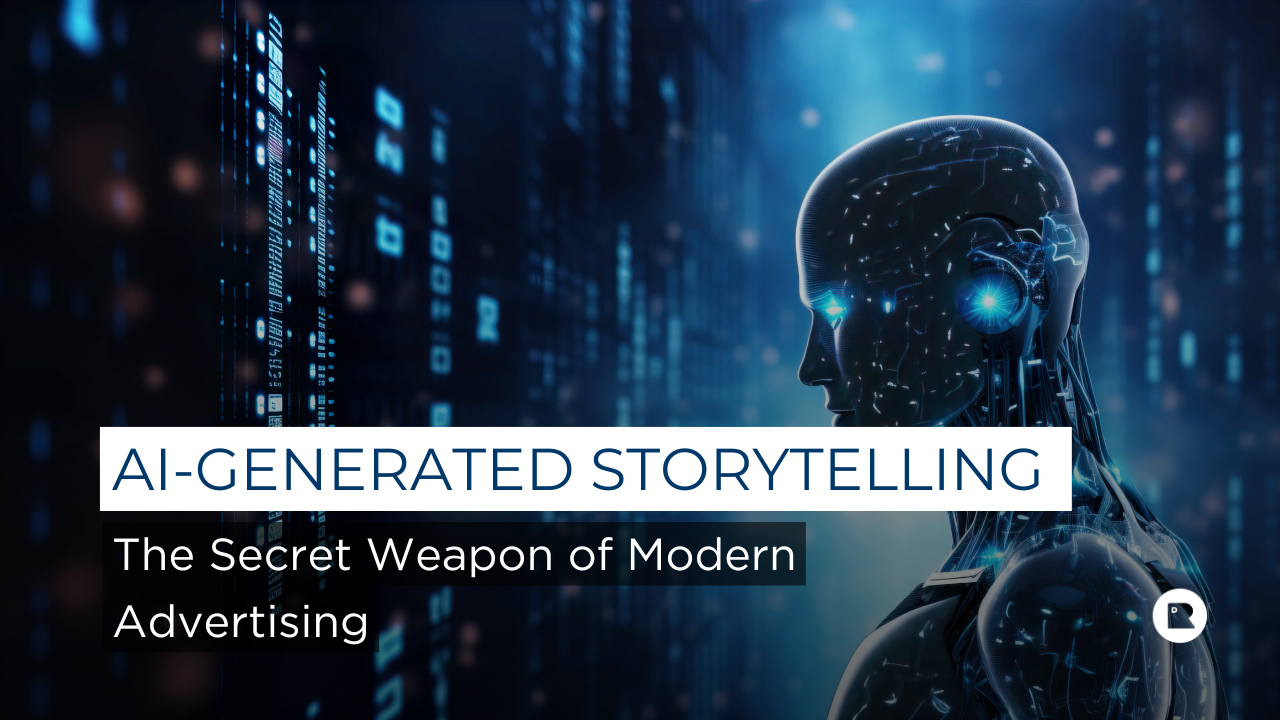
Why AI-Generated Storytelling Is Becoming the Secret Weapon of Modern Advertising
Somewhere between the fifth “Buy Now” banner ad and the third emotionally manipulative piano soundtrack of the day, consumers quietly changed the rules of advertising.
People stopped reacting to polished perfection.
Not entirely. Luxury still matters. Cinematic visuals still matter. Brand identity still matters. But audiences — especially the digital-native generation raised on TikTok, YouTube Shorts, Instagram Reels, and algorithm-fed content — have become exceptionally good at detecting manufactured marketing. The more traditional advertising tries to scream for attention, the more consumers scroll past it with the emotional engagement of someone deleting spam emails.
And yet, paradoxically, brands are seeing some of their strongest campaign performances emerge from something many executives initially dismissed as a gimmick:
AI-generated storytelling.
Not AI-generated spam.
Not lifeless robotic avatars reciting generic scripts.
Not low-quality “future tech” visuals.
Actual storytelling powered by artificial intelligence.
The kind that blends emotional hooks, cinematic pacing, audience psychology, data-driven creative testing, AI-generated video production, hyper-personalized messaging, and scalable content systems into one powerful advertising ecosystem.
The result? Campaigns that often outperform traditional ads in engagement, memorability, click-through rates, watch time, and increasingly — conversions.
For marketers, agencies, and brands navigating rising production costs and shrinking attention spans, AI-generated storytelling isn’t replacing traditional advertising. It’s becoming its most powerful reinforcement layer.
And consumers, surprisingly, are reacting positively.
The Advertising Industry Has Entered Its “Attention Deficit” Era
The average consumer now sees thousands of advertising messages per day. Some studies estimate anywhere from 4,000 to 10,000 branded impressions daily. Most are ignored instantly.
Not because the products are bad.
Because modern audiences have developed “creative blindness.”
They’ve learned the patterns:
- The overproduced commercial
- The predictable influencer endorsement
- The stock-footage motivational montage
- The scripted testimonial
- The exaggerated urgency CTA
Consumers now subconsciously filter out traditional advertising structures before the message even lands.
This is where AI-generated storytelling changes the equation.
Instead of relying purely on production value, AI-generated campaigns can rapidly adapt storytelling styles, emotional tones, visual pacing, and audience-specific narratives at scale.
The content feels less like “an ad” and more like a piece of content users willingly consume.
That distinction changes everything.
AI-Generated Storytelling Works Because It Mimics Digital-Native Communication
Modern audiences don’t communicate like television commercials.
They communicate through:
- Short-form video
- Memes
- Conversational content
- Personalized recommendations
- Rapid emotional shifts
- Fast visual transitions
- Authentic reactions
- Story-first experiences
Traditional advertising was built for interruption.
AI-generated storytelling is built for immersion.
That’s a major psychological difference.
Instead of forcing attention, AI-powered creative systems are capable of building narratives specifically optimized for how people consume content today.
A luxury travel campaign no longer needs to rely solely on a static hotel image with a headline. Instead, AI-generated video can create cinematic emotional sequences that place viewers emotionally inside the destination before they even click.
A German language campaign no longer needs generic classroom visuals. AI storytelling can create relatable character-driven journeys showing how learning German changes someone’s career, confidence, relationships, or future.
The user doesn’t feel sold to.
They feel emotionally included.
And emotionally included audiences convert better.
Want to see how AI-generated storytelling can support your next campaign? Speak with the Omnireach Digital team.
Book Free Consultation: info@omnireachdigital.com
The Unexpected Consumer Reaction: People Actually Enjoy AI Content
One of the biggest misconceptions surrounding AI-generated advertising is the assumption that consumers automatically reject AI content once they realize it’s AI-generated.
Reality says otherwise.
Consumers generally do not care whether the creative process involved AI.
They care whether:
- the content entertains them,
- the story resonates,
- the visuals capture attention,
- the pacing feels engaging,
- and the message feels emotionally relevant.
In fact, AI-generated campaigns often outperform traditional productions because they introduce novelty.
Humans are naturally attracted to new visual experiences.
AI-generated storytelling allows brands to create:
- surreal environments,
- impossible cinematic transitions,
- emotionally stylized worlds,
- hyper-realistic characters,
- symbolic storytelling,
- futuristic aesthetics,
- and highly dynamic visual flows
without Hollywood budgets.
The audience reaction often becomes:
“Wait… this is actually really cool.”
That emotional curiosity is marketing gold.
Because curiosity increases:
- watch time,
- engagement,
- shares,
- comments,
- and recall.
And in digital advertising, recall is currency.
AI Storytelling Extends Campaign Lifespan
Traditional ad production has a scalability problem.
A brand spends:
- weeks planning,
- days filming,
- thousands on crew,
- thousands more on editing,
- location fees,
- actors,
- equipment,
- post-production,
- approvals,
- revisions,
- reshoots.
Then the campaign launches.
Three weeks later, performance fatigue begins.
The creative burns out.
CPMs rise. CTR drops. Engagement collapses.
Now the brand needs new content again.
AI-generated storytelling dramatically changes this cycle.
Because AI-generated video production can create multiple narrative variations quickly, brands gain the ability to:
- refresh hooks,
- localize stories,
- personalize messaging,
- test emotional angles,
- create seasonal versions,
- adapt formats per platform,
- and continuously evolve campaigns
without restarting production from scratch.
This is especially important for performance marketing campaigns where creative fatigue directly impacts ROAS.
The future of advertising isn’t one perfect ad.
It’s a scalable storytelling ecosystem.
Traditional Advertising Still Matters — But It Needs Reinforcement
Let’s be clear:
Traditional advertising is not dead.
Premium brand photography still matters.
Professional videography still matters.
Real human experiences still matter.
Luxury brands, hospitality brands, automotive companies, tourism boards, educational institutions, fashion labels, and lifestyle companies still benefit enormously from traditionally produced campaigns.
But AI-generated storytelling acts as an amplification layer.
It extends the reach of traditional campaigns by creating:
- supplemental content,
- supporting narratives,
- teaser videos,
- short-form adaptations,
- audience-specific versions,
- localized campaigns,
- and retargeting creatives.
A single professionally filmed campaign can now generate dozens of AI-enhanced storytelling assets around it.
That dramatically increases content efficiency.
And more importantly: it keeps the brand constantly visible.
Modern consumers reward brands that stay culturally active.
AI-generated storytelling allows brands to remain present without constantly restarting expensive productions.
Why AI-Generated Video Performs So Well on Social Media
Social platforms reward one thing above all else:
Retention.
The longer users watch, engage, pause, comment, or replay content, the more aggressively platforms distribute it.
AI-generated storytelling is uniquely effective at driving retention because it allows for:
- faster pacing,
- stronger visual transitions,
- dynamic emotional storytelling,
- unexpected scene development,
- surreal cinematic moments,
- and hyper-optimized hooks.
The first three seconds of advertising now determine survival.
AI-generated campaigns are exceptionally strong at engineering those opening moments.
Instead of:
“Introducing our new service…”
AI storytelling opens with:
- emotional tension,
- curiosity,
- visual mystery,
- conflict,
- symbolism,
- transformation,
- or immediate narrative immersion.
That changes viewer behavior.
The user stops scrolling.
And in digital advertising, stopping the scroll is the first conversion.
AI Storytelling Humanizes Brands at Scale
Ironically, AI-generated advertising often feels more human than traditional corporate advertising.
Why?
Because AI systems allow brands to build emotionally specific narratives for niche audience segments.
Traditional campaigns often try to appeal to everyone.
AI storytelling can create campaigns for:
- young professionals,
- luxury travelers,
- parents,
- gamers,
- entrepreneurs,
- students,
- retirees,
- wellness audiences,
- high-net-worth individuals,
- or region-specific cultures
with extraordinary speed.
This level of emotional personalization makes users feel understood.
And consumers emotionally reward brands that understand them.
The future of advertising belongs to brands that create emotional relevance at scale.
AI-generated storytelling is becoming one of the fastest ways to achieve it.
The Rise of AI Avatars and Synthetic Brand Personalities
One of the fastest-growing segments in AI advertising is AI-generated avatars.
Not because brands are trying to replace humans.
But because AI avatars solve consistency problems.
A synthetic brand presenter can:
- speak multiple languages,
- maintain visual consistency,
- appear in endless campaign variations,
- adapt messaging instantly,
- and support global campaigns.
More importantly, audiences are increasingly comfortable interacting with digital personalities.
Social media already normalized:
- virtual influencers,
- CGI creators,
- VTubers,
- digital celebrities,
- AI musicians,
- and synthetic content creators.
Advertising is simply following the same cultural trend.
And when done correctly, AI avatars create:
- familiarity,
- recognition,
- consistency,
- and stronger brand recall.
The key is not making the AI feel robotic.
The key is making the storytelling feel human.
Why AI Storytelling Improves Brand Awareness
Performance marketers often obsess over direct conversions.
But some of the biggest long-term marketing wins come from brand memory.
People buy from brands they remember.
AI-generated storytelling strengthens brand awareness because it creates campaigns that are:
- visually distinct,
- emotionally memorable,
- algorithmically optimized,
- and conversation-worthy.
When users:
- share your content,
- comment on your visuals,
- discuss your campaign,
- or replay your video,
the brand embeds itself deeper into memory.
Traditional ads often communicate information.
AI storytelling communicates experiences.
Experiences are easier to remember.
AI Content Allows Smaller Brands to Compete Like Larger Brands
Historically, cinematic storytelling belonged to companies with enormous budgets.
Today, AI-generated video solutions are democratizing high-end creative production.
A mid-sized company can now produce:
- cinematic launch videos,
- AI-generated commercials,
- multilingual campaigns,
- avatar-led explainers,
- emotional storytelling ads,
- luxury-style visuals,
- and dynamic product showcases
without needing a massive production team.
This changes competitive dynamics.
Brands that move quickly with AI-enhanced storytelling can outperform slower, traditionally structured competitors.
And in digital marketing, speed matters.
The algorithm rewards momentum.
Consumers Are Becoming More Open to Synthetic Creativity
There’s another important psychological shift happening:
Audiences are increasingly aware that AI exists inside creative industries.
But instead of rejecting it entirely, many users are fascinated by it.
The conversation has evolved from:
“Is this AI?”
to:
“How did they make this?”
That curiosity creates engagement.
And engagement fuels distribution.
For brands, AI-generated storytelling creates an opportunity to position themselves as:
- innovative,
- modern,
- adaptive,
- technologically advanced,
- and culturally relevant.
Especially among younger audiences, AI-enhanced campaigns signal creative innovation.
And innovation attracts attention.
The Future Isn’t AI vs Traditional Advertising
The future is hybrid creativity.
The brands seeing the strongest performance today are not abandoning traditional production.
They’re combining:
- human creativity,
- emotional strategy,
- cinematic direction,
- data analysis,
- AI-generated visuals,
- audience psychology,
- and machine-assisted optimization.
The best AI-generated storytelling campaigns still require:
- strong strategy,
- creative direction,
- emotional intelligence,
- marketing expertise,
- and brand understanding.
AI is a tool.
Not a replacement for creativity.
The agencies and brands thriving in this new era are the ones using AI to amplify human storytelling — not eliminate it.
AI-Generated Storytelling and SEO: Why Search Engines Love It
There’s another reason brands are investing heavily into AI-generated storytelling:
Search visibility.
Video content dramatically improves:
- time on page,
- engagement metrics,
- bounce rates,
- social shares,
- and overall content interaction.
Search engines increasingly reward websites that create immersive user experiences.
AI-generated storytelling assets help brands build:
- richer landing pages,
- interactive campaign hubs,
- dynamic blog content,
- and video-driven SEO ecosystems.
And with the rise of:
- Google SGE,
- AI search results,
- Answer Engine Optimization (AEO),
- and AI-powered recommendation systems,
brands with stronger multimedia storytelling are becoming easier to discover.
The future of SEO is no longer just keywords.
It’s engagement quality.
Why Brands Should Start Experimenting Now
The companies benefiting most from AI-generated storytelling today are not necessarily the biggest brands.
They’re the fastest-moving ones.
The brands willing to:
- test,
- experiment,
- adapt,
- and evolve creatively
are discovering entirely new performance opportunities.
Because while many competitors are still debating whether AI belongs in advertising, forward-thinking brands are already using it to:
- reduce production costs,
- increase creative output,
- improve campaign testing,
- boost engagement,
- and strengthen brand awareness.
And importantly: audiences are responding positively.
Not because the content is AI-generated.
But because the storytelling is better.
Final Thoughts: The Advertising Industry Is Entering a Storytelling Renaissance
For years, digital advertising became obsessed with metrics.
CTR. CPC. CPM. CPA. ROAS.
Important metrics, yes.
But somewhere along the way, many brands forgot that advertising is still fundamentally emotional.
People don’t remember targeting settings.
They remember stories.
AI-generated storytelling is not successful because it’s artificial intelligence.
It’s successful because it allows brands to tell more emotionally compelling stories, more frequently, more dynamically, and more creatively than ever before.
The future of advertising will belong to brands that:
- combine human creativity with AI scalability,
- blend traditional production with synthetic storytelling,
- and understand that modern consumers want emotional experiences, not just advertisements.
The scroll has become the battleground.
Storytelling is the weapon.
And AI is quickly becoming the amplifier behind the brands winning attention in the digital age.